Buy ericvancamp.be ?
We are moving the project
ericvancamp.be .
Are you interested in purchasing the domain
ericvancamp.be ?
domain@kv-gmbh.de · 0541-91531010
Buy ericvancamp.be ?
Where does chlorine occur in nature?
Chlorine occurs in nature primarily in the form of the mineral halite, also known as rock salt. It is also found in the oceans as part of sodium chloride, which makes up the majority of the salt in seawater. Additionally, chlorine can be found in various minerals and in small amounts in soil, as well as in some types of volcanic gases. **
Why do chlorine, fluorine, and bromine not occur in nature?
Chlorine, fluorine, and bromine do occur in nature, but they are typically found in compounds rather than in their pure elemental form. This is because they are highly reactive and readily form compounds with other elements. For example, chlorine is commonly found in the form of sodium chloride (table salt), fluorine is found in the form of calcium fluoride, and bromine is found in the form of sodium bromide. These compounds are more stable and less reactive than the pure elements, which is why they are more commonly found in nature. **


Similar search terms for Chlorine
Top-Angebote
Products related to Chlorine:
-
COLUMBIA Veste de pluie Pouring AdventureDétails produit • Longueur : court • Capuche • Fermeture zippée • Capuche fixe • Logo poitrine et sur la manche • Poignets réglables par bande auto-agrippante • Base réglable Composition et Entretien • Matière principale : 100% polyamide • Doublure : 100% polyester • Pour l'entretien, merci de vous référer aux indications figurant sur l'étiquette du produit Fiche produit relative aux qualités et caractéristiques environnementales • Origine de fabrication (tissage, teinture, impression) : Corée du Sud • Confection : Bangladesh • Rejette des microfibres plastiques dans l'environnement lors du lavage. Dernière mise à jour des informations : 02/04/2026100,00 €*Shipping: 3,99 €Secure redirect to the provider
-
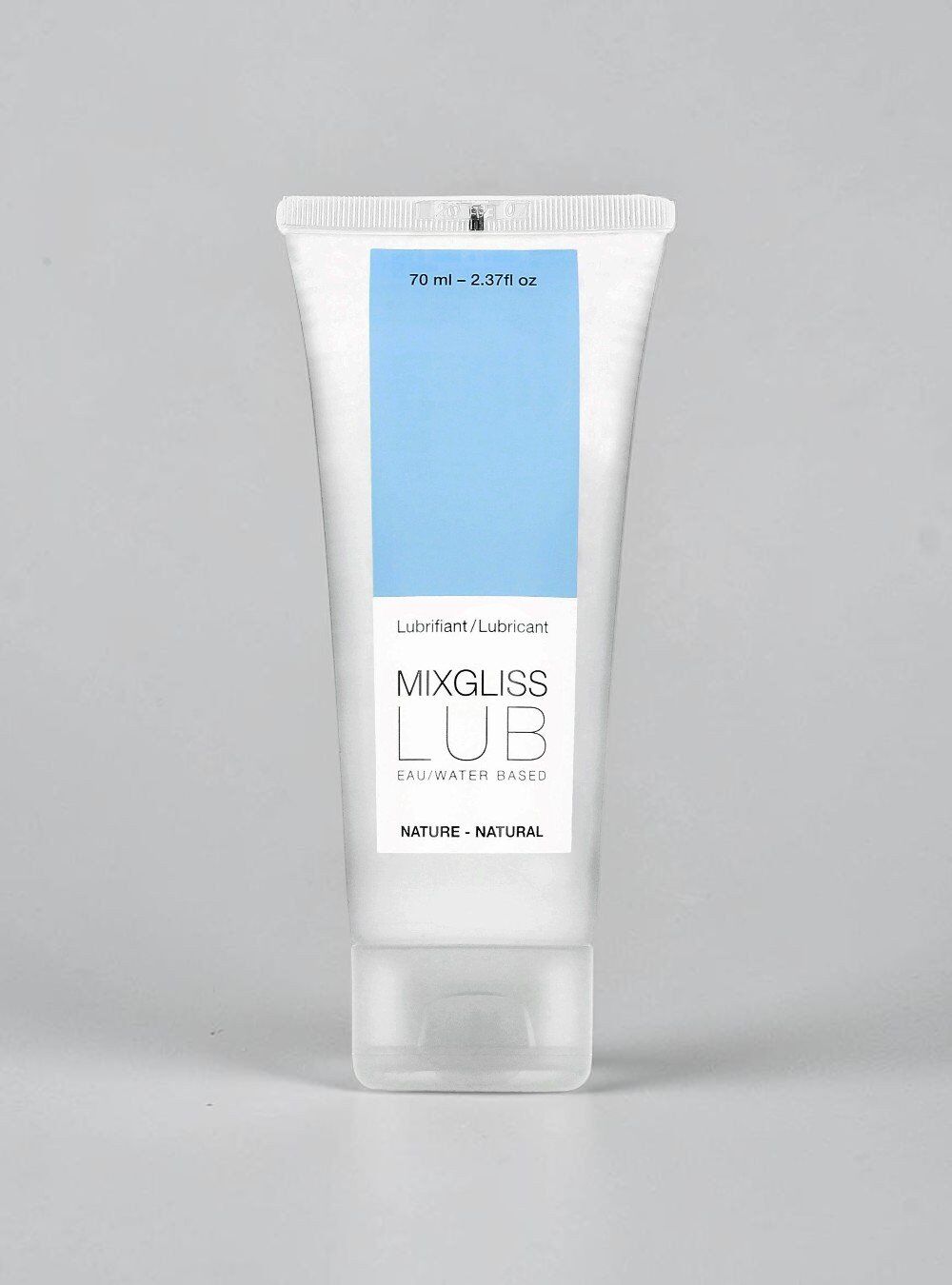
Mixgliss Lub Nature 70MLUne pression sur le flacon de Lub Nature 70ML et la texture s’étire doucement entre les doigts. Simple, clair, évident. Ce contact fluide met le corps à l’aise et invite à la détente. Rien d’artificiel, juste la sensation de glisser naturellement.Une texture légère et sincère 🌿Le Lub Nature 70ML de8,90 €*Shipping: 3,90 €Secure redirect to the provider
-
Jeep Adventure baume après-rasage pour homme 100 mlJeep Adventure, 100 ml, Produits après-rasage pour homme, Le produit : réduit les rougeurs et apaise la peau Mode d’emploi : Appliquez sur le visage et le cou fraîchement rasés. Laissez le produit absorber.8,40 €*Shipping: 3,45 €Secure redirect to the provider



-
What is the difference between chlorine and chlorine dioxide?
Chlorine is a chemical element with the symbol Cl and is a strong oxidizing agent commonly used for disinfection purposes. Chlorine dioxide, on the other hand, is a chemical compound with the formula ClO2 and is also used as a disinfectant but is considered to be a more effective and safer alternative to chlorine. Chlorine dioxide is a yellow to reddish gas at room temperature, while chlorine is a greenish-yellow gas. Additionally, chlorine dioxide is less likely to form harmful byproducts compared to chlorine. **
-
Why do chlorine, fluorine, and bromine not occur naturally in nature?
Chlorine, fluorine, and bromine do not occur naturally in their elemental form in nature because they are highly reactive and tend to form compounds with other elements. These elements are typically found in nature as part of compounds such as salts or minerals. Additionally, their reactivity makes them unstable in their pure form, leading them to readily react with other elements to form compounds. This is why they are typically found in combination with other elements rather than existing on their own in nature. **
-
Why do fluorine, chlorine, and bromine not occur in nature as elements?
Fluorine, chlorine, and bromine do not occur in nature as elements because they are highly reactive and readily form compounds with other elements. These compounds are more stable than the pure elements, so fluorine, chlorine, and bromine are typically found in nature as part of compounds such as sodium fluoride, sodium chloride (table salt), and sodium bromide. Additionally, these elements are part of the halogen group, which is known for its high reactivity and tendency to form compounds with other elements. **
-
Why do two chlorine atoms combine to form a chlorine molecule?
Two chlorine atoms combine to form a chlorine molecule because each chlorine atom has seven electrons in its outer shell, making them highly reactive and likely to form a covalent bond. By sharing one electron each, the two chlorine atoms can achieve a stable electron configuration with a full outer shell of eight electrons, similar to the noble gas configuration. This sharing of electrons allows the two atoms to become more stable and lower their overall energy, forming a strong bond between them. **

How is chlorine inhaled?
Chlorine can be inhaled when it is released into the air as a gas. This can happen when chlorine-containing products, such as bleach or cleaning agents, are used in poorly ventilated areas. Inhaling chlorine gas can irritate the respiratory system, causing symptoms such as coughing, chest tightness, and difficulty breathing. It is important to always use chlorine products in well-ventilated areas to minimize the risk of inhaling the gas. **
What are chlorine vapors?
Chlorine vapors are the gaseous form of chlorine, a highly reactive and toxic chemical element. These vapors are produced when chlorine gas evaporates into the air. Inhalation of chlorine vapors can cause irritation to the respiratory system, eyes, and skin, and can be harmful or even fatal in high concentrations. Chlorine vapors are commonly used in disinfectants, bleaches, and water treatment processes. **
Top-Angebote
Products related to Chlorine:
-
GLADE Ocean Adventure désodorisant 300 mlGLADE Ocean Adventure, 300 ml, Désodorisants maison Parfum d'ambiance, Un seul appui suffit pour que votre parfum d’ambiance GLADE Ocean Adventure parfume votre intérieur. Grâce à son effet immédiat, vous pouvez profiter d’une agréable odeur précisément lorsque vous en avez besoin. Le produit : parfum frais parfum floral odeur d’agrumes Mode d’emploi : Tenir hors de portée des enfants et des animaux domestiques. Si le contenu du produit se renverse sur la peau, veillez à bien la laver avec une grande quantité d’eau et de savon. Si les yeux sont touchés, rincez-les pendant plusieurs minutes avec de l’eau.4,56 €*Shipping: 3,45 €Secure redirect to the provider
-
COLUMBIA Veste de pluie Pouring AdventureDétails produit • Longueur : court • Capuche • Fermeture zippée • Capuche fixe • Logo poitrine et sur la manche • Poignets réglables par bande auto-agrippante • Base réglable Composition et Entretien • Matière principale : 100% polyamide • Doublure : 100% polyester • Pour l'entretien, merci de vous référer aux indications figurant sur l'étiquette du produit Fiche produit relative aux qualités et caractéristiques environnementales • Origine de fabrication (tissage, teinture, impression) : Corée du Sud • Confection : Bangladesh • Rejette des microfibres plastiques dans l'environnement lors du lavage. Dernière mise à jour des informations : 02/04/2026100,00 €*Shipping: 3,99 €Secure redirect to the provider
-
Where does chlorine occur in nature?
Chlorine occurs in nature primarily in the form of the mineral halite, also known as rock salt. It is also found in the oceans as part of sodium chloride, which makes up the majority of the salt in seawater. Additionally, chlorine can be found in various minerals and in small amounts in soil, as well as in some types of volcanic gases. **
-
Why do chlorine, fluorine, and bromine not occur in nature?
Chlorine, fluorine, and bromine do occur in nature, but they are typically found in compounds rather than in their pure elemental form. This is because they are highly reactive and readily form compounds with other elements. For example, chlorine is commonly found in the form of sodium chloride (table salt), fluorine is found in the form of calcium fluoride, and bromine is found in the form of sodium bromide. These compounds are more stable and less reactive than the pure elements, which is why they are more commonly found in nature. **
-
What is the difference between chlorine and chlorine dioxide?
Chlorine is a chemical element with the symbol Cl and is a strong oxidizing agent commonly used for disinfection purposes. Chlorine dioxide, on the other hand, is a chemical compound with the formula ClO2 and is also used as a disinfectant but is considered to be a more effective and safer alternative to chlorine. Chlorine dioxide is a yellow to reddish gas at room temperature, while chlorine is a greenish-yellow gas. Additionally, chlorine dioxide is less likely to form harmful byproducts compared to chlorine. **
-
Why do chlorine, fluorine, and bromine not occur naturally in nature?
Chlorine, fluorine, and bromine do not occur naturally in their elemental form in nature because they are highly reactive and tend to form compounds with other elements. These elements are typically found in nature as part of compounds such as salts or minerals. Additionally, their reactivity makes them unstable in their pure form, leading them to readily react with other elements to form compounds. This is why they are typically found in combination with other elements rather than existing on their own in nature. **
Similar search terms for Chlorine
-
Mixgliss Lub Nature 70MLUne pression sur le flacon de Lub Nature 70ML et la texture s’étire doucement entre les doigts. Simple, clair, évident. Ce contact fluide met le corps à l’aise et invite à la détente. Rien d’artificiel, juste la sensation de glisser naturellement.Une texture légère et sincère 🌿Le Lub Nature 70ML de8,90 €*Shipping: 3,90 €Secure redirect to the provider
-
Jeep Adventure baume après-rasage pour homme 100 mlJeep Adventure, 100 ml, Produits après-rasage pour homme, Le produit : réduit les rougeurs et apaise la peau Mode d’emploi : Appliquez sur le visage et le cou fraîchement rasés. Laissez le produit absorber.8,40 €*Shipping: 3,45 €Secure redirect to the provider
-
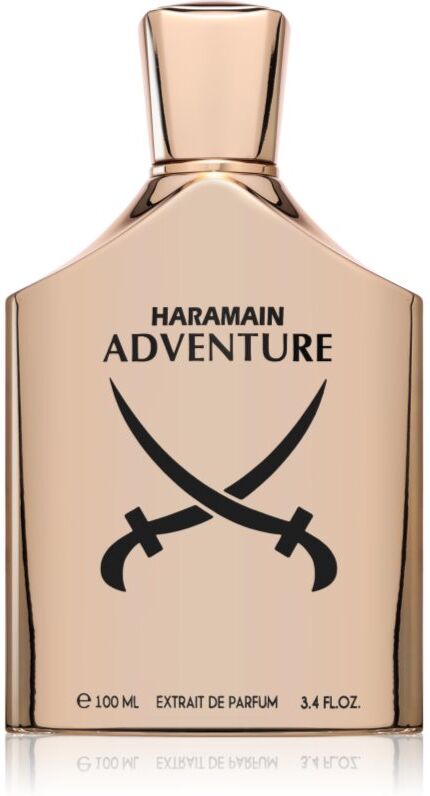
Al Haramain Adventure extrait de parfum mixte 100 mlAl Haramain Adventure, 100 ml, Parfums mixte, Préparez-vous aux vagues de questions. Le parfum mixte Al Haramain Adventure ne manquera pas de susciter la curiosité de votre entourage. Le caractère sophistiqué de sa composition parfumée ne laissera personne indifférent. parfum fruité parfum floral parfum boisé parfum original pour les personnalités uniques un parfum unique qui se prête aux occasions spéciales parfum mixte47,50 €*Shipping: 3,45 €Secure redirect to the provider
-
Plaisirs Secrets BOUGIE MASSAGE NATUREAllumez la flamme de la BOUGIE MASSAGE NATURE et laissez la magie opérer. Simple et sensuel. La cire fond doucement, se transformant en une huile tiède prête à caresser la peau. L’atmosphère s’adoucit, les regards se croisent, la complicité s’installe.Une expérience douce et naturelle 🌿La BOUGIE9,90 €*Shipping: 3,90 €Secure redirect to the provider
-
Why do fluorine, chlorine, and bromine not occur in nature as elements?
Fluorine, chlorine, and bromine do not occur in nature as elements because they are highly reactive and readily form compounds with other elements. These compounds are more stable than the pure elements, so fluorine, chlorine, and bromine are typically found in nature as part of compounds such as sodium fluoride, sodium chloride (table salt), and sodium bromide. Additionally, these elements are part of the halogen group, which is known for its high reactivity and tendency to form compounds with other elements. **
-
Why do two chlorine atoms combine to form a chlorine molecule?
Two chlorine atoms combine to form a chlorine molecule because each chlorine atom has seven electrons in its outer shell, making them highly reactive and likely to form a covalent bond. By sharing one electron each, the two chlorine atoms can achieve a stable electron configuration with a full outer shell of eight electrons, similar to the noble gas configuration. This sharing of electrons allows the two atoms to become more stable and lower their overall energy, forming a strong bond between them. **
-
How is chlorine inhaled?
Chlorine can be inhaled when it is released into the air as a gas. This can happen when chlorine-containing products, such as bleach or cleaning agents, are used in poorly ventilated areas. Inhaling chlorine gas can irritate the respiratory system, causing symptoms such as coughing, chest tightness, and difficulty breathing. It is important to always use chlorine products in well-ventilated areas to minimize the risk of inhaling the gas. **
-
What are chlorine vapors?
Chlorine vapors are the gaseous form of chlorine, a highly reactive and toxic chemical element. These vapors are produced when chlorine gas evaporates into the air. Inhalation of chlorine vapors can cause irritation to the respiratory system, eyes, and skin, and can be harmful or even fatal in high concentrations. Chlorine vapors are commonly used in disinfectants, bleaches, and water treatment processes. **
* All prices are inclusive of VAT and, if applicable, plus shipping costs. The offer information is based on the details provided by the respective shop and is updated through automated processes. Real-time updates do not occur, so deviations can occur in individual cases. ** Note: Parts of this content were created by AI.