Buy ericvancamp.be ?
We are moving the project
ericvancamp.be .
Are you interested in purchasing the domain
ericvancamp.be ?
domain@kv-gmbh.de · 0541-91531010
Buy ericvancamp.be ?
What are raw materials, auxiliary materials, or operating materials?
Raw materials are the basic materials used in the production of goods. They are typically natural resources such as wood, metal, or agricultural products. Auxiliary materials are used to support the production process, such as lubricants, cleaning agents, or packaging materials. Operating materials are the supplies and tools used in the day-to-day operations of a business, such as office supplies, maintenance tools, or safety equipment. These materials are essential for the production and operation of goods and services. **
What is the difference between raw materials, operating materials, and auxiliary materials?
Raw materials are the basic materials used in the production of goods, such as wood, metal, or oil. Operating materials are the materials used in the day-to-day operations of a business, such as office supplies, cleaning supplies, or packaging materials. Auxiliary materials are materials that support the production process but are not directly used in the final product, such as lubricants, solvents, or maintenance supplies. Each type of material plays a different role in the production and operation of a business. **


Similar search terms for Materials
Top-Angebote
Products related to Materials:
-
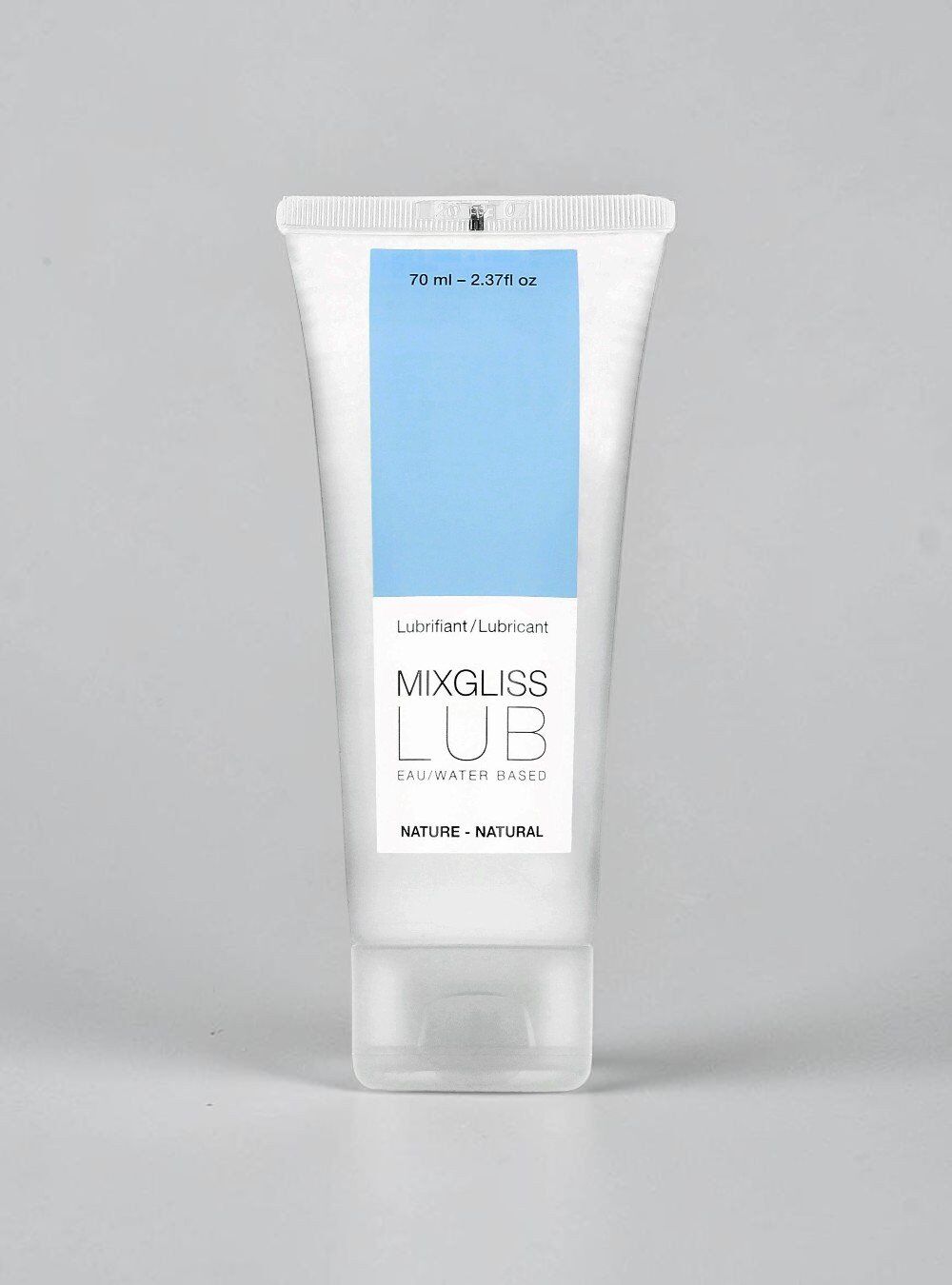
Mixgliss Lub Nature 70MLUne pression sur le flacon de Lub Nature 70ML et la texture s’étire doucement entre les doigts. Simple, clair, évident. Ce contact fluide met le corps à l’aise et invite à la détente. Rien d’artificiel, juste la sensation de glisser naturellement.Une texture légère et sincère 🌿Le Lub Nature 70ML de8,90 €*Shipping: 3,90 €Secure redirect to the provider
-
Bo Jungle Locomotive's Adventure jouet musical 12m+ 1 pcsBo Jungle Locomotive's Adventure, 1 pcs, Petits jouets interactifs pour enfant, Les jouets constituent le moyen idéal pour faire participer les plus petits. En outre, un jouet Bo Jungle Locomotive's Adventure ne fera pas que divertir votre enfant, il contribuera également au développement de ses sens ainsi que d’autres aptitudes. Le produit : les différentes textures des matériaux stimulent le toucher de l'enfant les couleurs stimulent le développement des sens de l’enfant contient des éléments sifflants développe la capacité du bébé à focaliser son attention léger et pratique, parfait pour partir en voyage18,52 €*Shipping: 3,45 €Secure redirect to the provider
-
Jeep Adventure baume après-rasage pour homme 100 mlJeep Adventure, 100 ml, Produits après-rasage pour homme, Le produit : réduit les rougeurs et apaise la peau Mode d’emploi : Appliquez sur le visage et le cou fraîchement rasés. Laissez le produit absorber.8,40 €*Shipping: 3,45 €Secure redirect to the provider
-
Al Haramain Adventure extrait de parfum mixte 100 mlAl Haramain Adventure, 100 ml, Parfums mixte, Préparez-vous aux vagues de questions. Le parfum mixte Al Haramain Adventure ne manquera pas de susciter la curiosité de votre entourage. Le caractère sophistiqué de sa composition parfumée ne laissera personne indifférent. parfum fruité parfum floral parfum boisé parfum original pour les personnalités uniques un parfum unique qui se prête aux occasions spéciales parfum mixte50,00 €*Shipping: 3,45 €Secure redirect to the provider



-
What is the difference between building materials, operating materials, and supplementary materials?
Building materials are used in the construction of a structure, such as wood, concrete, steel, and bricks. Operating materials are items used to maintain and operate a building, like cleaning supplies, light bulbs, and HVAC filters. Supplementary materials are additional items that may not be essential for the structure but can enhance its functionality or aesthetics, such as decorative finishes, landscaping materials, or furniture. **
-
Can someone explain the terms reserve materials, building materials, and operating materials?
Reserve materials are items kept in stock for future use, typically for emergencies or unexpected situations. Building materials are used in the construction or renovation of structures, such as wood, concrete, and steel. Operating materials are supplies necessary for the day-to-day functioning of a business or organization, like office supplies, cleaning products, and maintenance tools. Each term refers to specific types of materials needed for different purposes within a given context. **
-
What is the difference between building materials, operating materials, and auxiliary materials?
Building materials are used in the construction of a structure, such as bricks, concrete, and steel. Operating materials are items used in the day-to-day operations of a building, like cleaning supplies, office supplies, and maintenance tools. Auxiliary materials are additional items that support the functioning of a building, such as lighting fixtures, plumbing fixtures, and HVAC systems. Each type of material serves a specific purpose in the construction and maintenance of a building. **
-
What is the difference between raw materials, auxiliary materials, operating materials, and goods?
Raw materials are the basic materials used in the production of goods, such as wood for furniture or steel for cars. Auxiliary materials are used to support the production process but do not become part of the final product, like lubricants or cleaning agents. Operating materials are items necessary for the day-to-day functioning of a business, such as office supplies or maintenance tools. Goods are the final products that are produced and sold to customers, such as furniture or cars. **


How do materials scientists develop new materials and substances?
Materials scientists develop new materials and substances through a combination of experimentation, theoretical modeling, and advanced technology. They start by identifying the properties and characteristics they want the new material to have, and then they explore different chemical compositions and structures to achieve those properties. This often involves testing and analyzing the behavior of different materials under various conditions, as well as using computer simulations to predict their performance. Once a promising material is identified, scientists further refine and optimize its properties through iterative testing and modification, ultimately leading to the development of new and improved materials for various applications. **
Name five magnetic materials and five non-magnetic materials.
Five magnetic materials are iron, nickel, cobalt, gadolinium, and neodymium. These materials are attracted to magnets and can be magnetized themselves. On the other hand, five non-magnetic materials are wood, plastic, glass, copper, and aluminum. These materials are not attracted to magnets and cannot be magnetized. **
Top-Angebote
Products related to Materials:
-
Mixgliss Lub Nature 70MLUne pression sur le flacon de Lub Nature 70ML et la texture s’étire doucement entre les doigts. Simple, clair, évident. Ce contact fluide met le corps à l’aise et invite à la détente. Rien d’artificiel, juste la sensation de glisser naturellement.Une texture légère et sincère 🌿Le Lub Nature 70ML de8,90 €*Shipping: 3,90 €Secure redirect to the provider
-
Bo Jungle Locomotive's Adventure jouet musical 12m+ 1 pcsBo Jungle Locomotive's Adventure, 1 pcs, Petits jouets interactifs pour enfant, Les jouets constituent le moyen idéal pour faire participer les plus petits. En outre, un jouet Bo Jungle Locomotive's Adventure ne fera pas que divertir votre enfant, il contribuera également au développement de ses sens ainsi que d’autres aptitudes. Le produit : les différentes textures des matériaux stimulent le toucher de l'enfant les couleurs stimulent le développement des sens de l’enfant contient des éléments sifflants développe la capacité du bébé à focaliser son attention léger et pratique, parfait pour partir en voyage18,52 €*Shipping: 3,45 €Secure redirect to the provider
-
What are raw materials, auxiliary materials, or operating materials?
Raw materials are the basic materials used in the production of goods. They are typically natural resources such as wood, metal, or agricultural products. Auxiliary materials are used to support the production process, such as lubricants, cleaning agents, or packaging materials. Operating materials are the supplies and tools used in the day-to-day operations of a business, such as office supplies, maintenance tools, or safety equipment. These materials are essential for the production and operation of goods and services. **
-
What is the difference between raw materials, operating materials, and auxiliary materials?
Raw materials are the basic materials used in the production of goods, such as wood, metal, or oil. Operating materials are the materials used in the day-to-day operations of a business, such as office supplies, cleaning supplies, or packaging materials. Auxiliary materials are materials that support the production process but are not directly used in the final product, such as lubricants, solvents, or maintenance supplies. Each type of material plays a different role in the production and operation of a business. **
-
What is the difference between building materials, operating materials, and supplementary materials?
Building materials are used in the construction of a structure, such as wood, concrete, steel, and bricks. Operating materials are items used to maintain and operate a building, like cleaning supplies, light bulbs, and HVAC filters. Supplementary materials are additional items that may not be essential for the structure but can enhance its functionality or aesthetics, such as decorative finishes, landscaping materials, or furniture. **
-
Can someone explain the terms reserve materials, building materials, and operating materials?
Reserve materials are items kept in stock for future use, typically for emergencies or unexpected situations. Building materials are used in the construction or renovation of structures, such as wood, concrete, and steel. Operating materials are supplies necessary for the day-to-day functioning of a business or organization, like office supplies, cleaning products, and maintenance tools. Each term refers to specific types of materials needed for different purposes within a given context. **
Similar search terms for Materials
-
Jeep Adventure baume après-rasage pour homme 100 mlJeep Adventure, 100 ml, Produits après-rasage pour homme, Le produit : réduit les rougeurs et apaise la peau Mode d’emploi : Appliquez sur le visage et le cou fraîchement rasés. Laissez le produit absorber.8,40 €*Shipping: 3,45 €Secure redirect to the provider
-
Al Haramain Adventure extrait de parfum mixte 100 mlAl Haramain Adventure, 100 ml, Parfums mixte, Préparez-vous aux vagues de questions. Le parfum mixte Al Haramain Adventure ne manquera pas de susciter la curiosité de votre entourage. Le caractère sophistiqué de sa composition parfumée ne laissera personne indifférent. parfum fruité parfum floral parfum boisé parfum original pour les personnalités uniques un parfum unique qui se prête aux occasions spéciales parfum mixte50,00 €*Shipping: 3,45 €Secure redirect to the provider
-
What is the difference between building materials, operating materials, and auxiliary materials?
Building materials are used in the construction of a structure, such as bricks, concrete, and steel. Operating materials are items used in the day-to-day operations of a building, like cleaning supplies, office supplies, and maintenance tools. Auxiliary materials are additional items that support the functioning of a building, such as lighting fixtures, plumbing fixtures, and HVAC systems. Each type of material serves a specific purpose in the construction and maintenance of a building. **
-
What is the difference between raw materials, auxiliary materials, operating materials, and goods?
Raw materials are the basic materials used in the production of goods, such as wood for furniture or steel for cars. Auxiliary materials are used to support the production process but do not become part of the final product, like lubricants or cleaning agents. Operating materials are items necessary for the day-to-day functioning of a business, such as office supplies or maintenance tools. Goods are the final products that are produced and sold to customers, such as furniture or cars. **
-
How do materials scientists develop new materials and substances?
Materials scientists develop new materials and substances through a combination of experimentation, theoretical modeling, and advanced technology. They start by identifying the properties and characteristics they want the new material to have, and then they explore different chemical compositions and structures to achieve those properties. This often involves testing and analyzing the behavior of different materials under various conditions, as well as using computer simulations to predict their performance. Once a promising material is identified, scientists further refine and optimize its properties through iterative testing and modification, ultimately leading to the development of new and improved materials for various applications. **
-
Name five magnetic materials and five non-magnetic materials.
Five magnetic materials are iron, nickel, cobalt, gadolinium, and neodymium. These materials are attracted to magnets and can be magnetized themselves. On the other hand, five non-magnetic materials are wood, plastic, glass, copper, and aluminum. These materials are not attracted to magnets and cannot be magnetized. **
* All prices are inclusive of VAT and, if applicable, plus shipping costs. The offer information is based on the details provided by the respective shop and is updated through automated processes. Real-time updates do not occur, so deviations can occur in individual cases. ** Note: Parts of this content were created by AI.