Buy ericvancamp.be ?
We are moving the project
ericvancamp.be .
Are you interested in purchasing the domain
ericvancamp.be ?
domain@kv-gmbh.de · 0541-91531010
Buy ericvancamp.be ?
Where can one buy archaeological artifacts?
Archaeological artifacts should only be purchased from reputable sources such as museums, authorized dealers, or auction houses that adhere to ethical and legal standards. Buying artifacts from unauthorized sources, such as looters or illegal dealers, contributes to the destruction of archaeological sites and the loss of valuable historical information. It is important to ensure that any artifacts purchased have a documented provenance and are obtained through legal and ethical means. **
How can one help with archaeological excavations?
One can help with archaeological excavations by volunteering with local archaeological organizations or universities that are conducting digs. This may involve tasks such as digging, sifting through soil, recording findings, or even helping with lab work. It is important to receive proper training and guidance from experienced archaeologists to ensure that the excavation is conducted accurately and ethically. Additionally, supporting archaeological projects through donations or spreading awareness about the importance of preserving cultural heritage can also be a valuable way to contribute to the field. **


Similar search terms for Archaeological
Top-Angebote
Products related to Archaeological:
-
Accentra DINOPARK ADVENTURE bain moussant pour enfant 70 gAccentra DINOPARK ADVENTURE, 70 g, Articles de bain pour enfant, Le bain ne devrait pas être une corvée que vous et vos enfants redoutez. Au contraire, ce devrait être un moment agréable où leur peau est choyée. Le produit Accentra DINOPARK ADVENTURE vous aide à nettoyer et à débarrasser leur peau sensible des impuretés sans la dessécher ni l’irriter. Il en prend délicatement soin pendant le bain, l’apaise et confère aux tout-petits une sensation de confort. Le produit : crée une mousse très riche hydrate et adoucit nourrit la peau Mode d’emploi : Ajoutez dans l’eau chaude et laissez mousser. Après le bain, rincer la baignoire pour éviter les taches.2,76 €*Shipping: 3,45 €Secure redirect to the provider
-
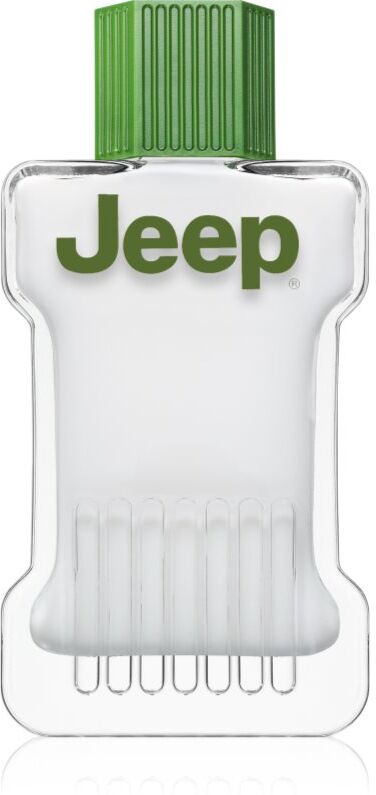
Jeep Adventure baume après-rasage pour homme 100 mlJeep Adventure, 100 ml, Produits après-rasage pour homme, Le produit : réduit les rougeurs et apaise la peau Mode d’emploi : Appliquez sur le visage et le cou fraîchement rasés. Laissez le produit absorber.8,40 €*Shipping: 3,45 €Secure redirect to the provider
-
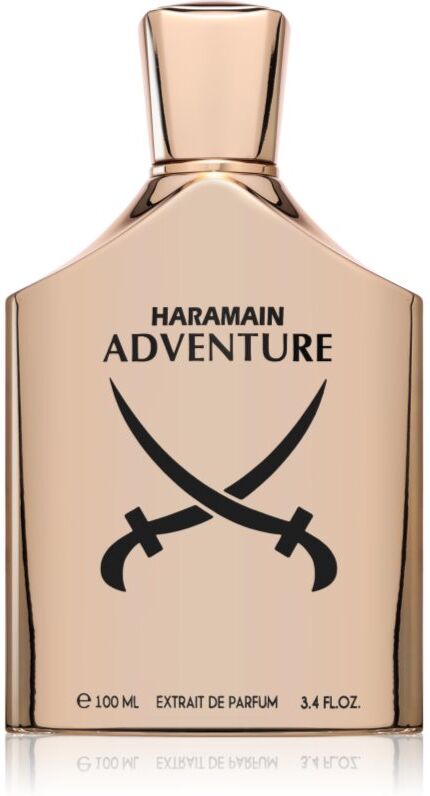
Al Haramain Adventure extrait de parfum mixte 100 mlAl Haramain Adventure, 100 ml, Parfums mixte, Préparez-vous aux vagues de questions. Le parfum mixte Al Haramain Adventure ne manquera pas de susciter la curiosité de votre entourage. Le caractère sophistiqué de sa composition parfumée ne laissera personne indifférent. parfum fruité parfum floral parfum boisé parfum original pour les personnalités uniques un parfum unique qui se prête aux occasions spéciales parfum mixte50,00 €*Shipping: 3,45 €Secure redirect to the provider


-
Who does an archaeological find belong to?
Legally, an archaeological find typically belongs to the country in which it was discovered, as it is considered part of that country's cultural heritage. However, ownership and rights to the find can vary depending on the specific laws and regulations of the country. In some cases, the landowner or the individual who discovered the artifact may also have a claim to ownership. Ultimately, the ownership of an archaeological find is often a complex and nuanced issue that can involve multiple stakeholders. **
-
How can one sell an archaeological discovery?
Selling an archaeological discovery involves several steps. First, the discovery must be properly documented and authenticated by experts to establish its historical and cultural significance. Then, the seller must comply with any legal and ethical considerations, such as obtaining the necessary permits and ensuring that the sale does not violate any cultural heritage laws. Next, the seller can approach museums, private collectors, or auction houses to find a buyer who is interested in acquiring the discovery. It is important to work with reputable professionals and institutions to ensure that the discovery is sold in a responsible and ethical manner. **
-
How can one sell an archaeological find?
Selling an archaeological find can be a complex process that requires careful consideration of legal and ethical implications. In many cases, it is illegal to sell archaeological artifacts without proper permits and documentation. Additionally, there are ethical concerns about the commercialization of cultural heritage. If someone wishes to sell an archaeological find, they should first consult with legal experts and cultural heritage authorities to ensure that they are following all necessary regulations and guidelines. It is also important to consider the potential impact on the historical and cultural significance of the artifact before deciding to sell it. **
-
What kind of object is this archaeological find?
This archaeological find is a ceramic vessel, specifically a jar. It is a type of pottery container that was used for storing and transporting liquids or food in ancient times. The shape and design of the jar may provide clues about its specific function and cultural significance within the society that created it. **
How can I find an archaeological internship abroad?
To find an archaeological internship abroad, you can start by researching universities, museums, and archaeological organizations in the country you are interested in. Look for internship opportunities on their websites or contact them directly to inquire about any available positions. You can also reach out to academic advisors, professors, or professionals in the field for recommendations or connections to international internship programs. Additionally, consider joining online platforms or forums dedicated to archaeology where internship opportunities are often shared. **
Why are archaeological artifacts almost always found underground?
Archaeological artifacts are almost always found underground because over time, natural processes such as erosion, sedimentation, and soil deposition can bury them. Additionally, human activities such as construction, agriculture, and urban development can also lead to artifacts being buried. As a result, artifacts become buried and preserved in layers of soil and sediment, making them accessible to archaeologists through excavation. This burial process helps protect artifacts from damage and decay, preserving them for future study and analysis. **
Top-Angebote
Products related to Archaeological:
-
GLADE Ocean Adventure désodorisant 300 mlGLADE Ocean Adventure, 300 ml, Désodorisants maison Parfum d'ambiance, Un seul appui suffit pour que votre parfum d’ambiance GLADE Ocean Adventure parfume votre intérieur. Grâce à son effet immédiat, vous pouvez profiter d’une agréable odeur précisément lorsque vous en avez besoin. Le produit : parfum frais parfum floral odeur d’agrumes Mode d’emploi : Tenir hors de portée des enfants et des animaux domestiques. Si le contenu du produit se renverse sur la peau, veillez à bien la laver avec une grande quantité d’eau et de savon. Si les yeux sont touchés, rincez-les pendant plusieurs minutes avec de l’eau.4,80 €*Shipping: 3,45 €Secure redirect to the provider
-
Accentra DINOPARK ADVENTURE bain moussant pour enfant 70 gAccentra DINOPARK ADVENTURE, 70 g, Articles de bain pour enfant, Le bain ne devrait pas être une corvée que vous et vos enfants redoutez. Au contraire, ce devrait être un moment agréable où leur peau est choyée. Le produit Accentra DINOPARK ADVENTURE vous aide à nettoyer et à débarrasser leur peau sensible des impuretés sans la dessécher ni l’irriter. Il en prend délicatement soin pendant le bain, l’apaise et confère aux tout-petits une sensation de confort. Le produit : crée une mousse très riche hydrate et adoucit nourrit la peau Mode d’emploi : Ajoutez dans l’eau chaude et laissez mousser. Après le bain, rincer la baignoire pour éviter les taches.2,76 €*Shipping: 3,45 €Secure redirect to the provider
-
Where can one buy archaeological artifacts?
Archaeological artifacts should only be purchased from reputable sources such as museums, authorized dealers, or auction houses that adhere to ethical and legal standards. Buying artifacts from unauthorized sources, such as looters or illegal dealers, contributes to the destruction of archaeological sites and the loss of valuable historical information. It is important to ensure that any artifacts purchased have a documented provenance and are obtained through legal and ethical means. **
-
How can one help with archaeological excavations?
One can help with archaeological excavations by volunteering with local archaeological organizations or universities that are conducting digs. This may involve tasks such as digging, sifting through soil, recording findings, or even helping with lab work. It is important to receive proper training and guidance from experienced archaeologists to ensure that the excavation is conducted accurately and ethically. Additionally, supporting archaeological projects through donations or spreading awareness about the importance of preserving cultural heritage can also be a valuable way to contribute to the field. **
-
Who does an archaeological find belong to?
Legally, an archaeological find typically belongs to the country in which it was discovered, as it is considered part of that country's cultural heritage. However, ownership and rights to the find can vary depending on the specific laws and regulations of the country. In some cases, the landowner or the individual who discovered the artifact may also have a claim to ownership. Ultimately, the ownership of an archaeological find is often a complex and nuanced issue that can involve multiple stakeholders. **
-
How can one sell an archaeological discovery?
Selling an archaeological discovery involves several steps. First, the discovery must be properly documented and authenticated by experts to establish its historical and cultural significance. Then, the seller must comply with any legal and ethical considerations, such as obtaining the necessary permits and ensuring that the sale does not violate any cultural heritage laws. Next, the seller can approach museums, private collectors, or auction houses to find a buyer who is interested in acquiring the discovery. It is important to work with reputable professionals and institutions to ensure that the discovery is sold in a responsible and ethical manner. **
Similar search terms for Archaeological
-
Jeep Adventure baume après-rasage pour homme 100 mlJeep Adventure, 100 ml, Produits après-rasage pour homme, Le produit : réduit les rougeurs et apaise la peau Mode d’emploi : Appliquez sur le visage et le cou fraîchement rasés. Laissez le produit absorber.8,40 €*Shipping: 3,45 €Secure redirect to the provider
-
Al Haramain Adventure extrait de parfum mixte 100 mlAl Haramain Adventure, 100 ml, Parfums mixte, Préparez-vous aux vagues de questions. Le parfum mixte Al Haramain Adventure ne manquera pas de susciter la curiosité de votre entourage. Le caractère sophistiqué de sa composition parfumée ne laissera personne indifférent. parfum fruité parfum floral parfum boisé parfum original pour les personnalités uniques un parfum unique qui se prête aux occasions spéciales parfum mixte50,00 €*Shipping: 3,45 €Secure redirect to the provider
-
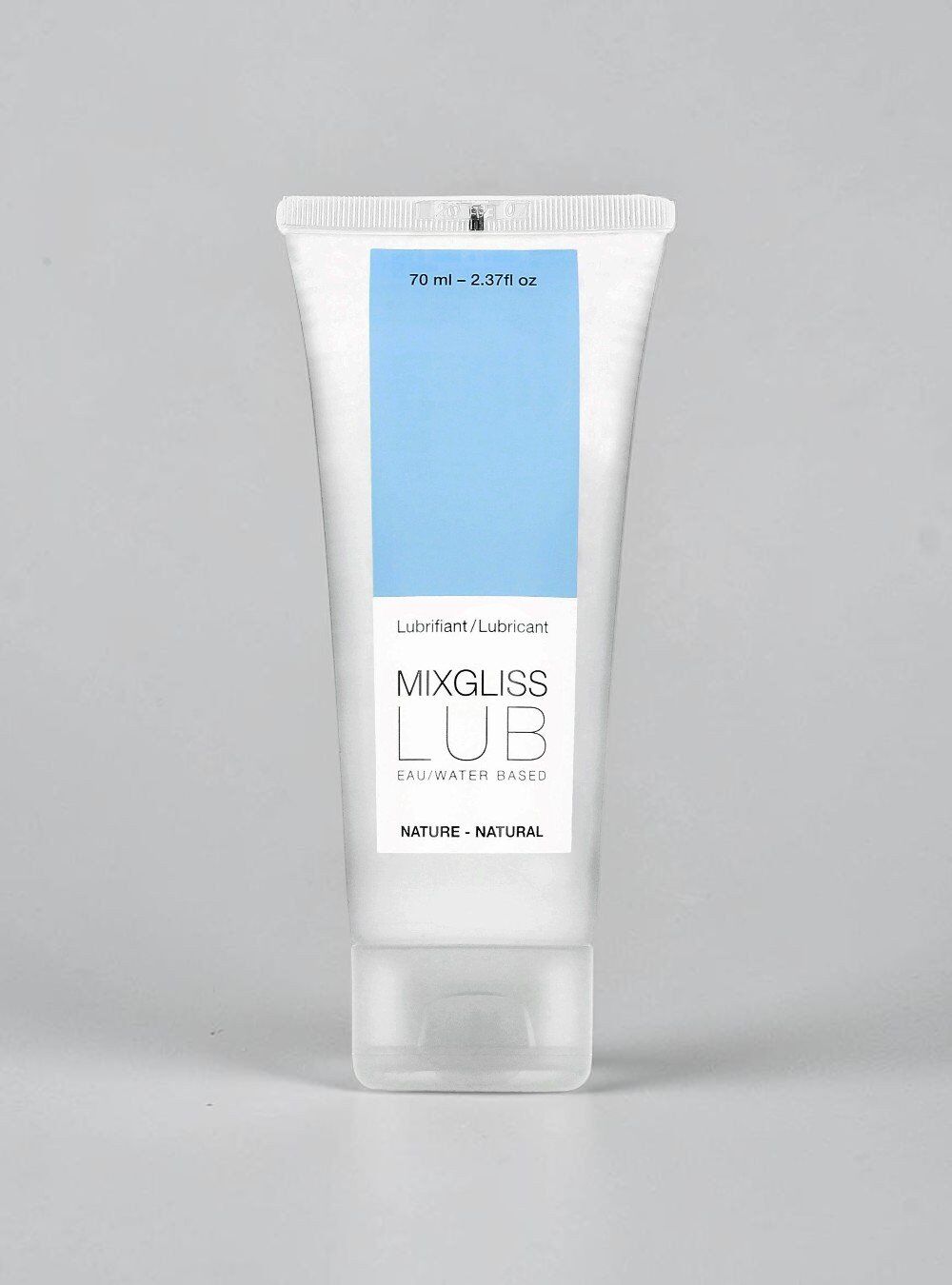
Mixgliss Lub Nature 70MLUne pression sur le flacon de Lub Nature 70ML et la texture s’étire doucement entre les doigts. Simple, clair, évident. Ce contact fluide met le corps à l’aise et invite à la détente. Rien d’artificiel, juste la sensation de glisser naturellement.Une texture légère et sincère 🌿Le Lub Nature 70ML de8,90 €*Shipping: 3,90 €Secure redirect to the provider
-
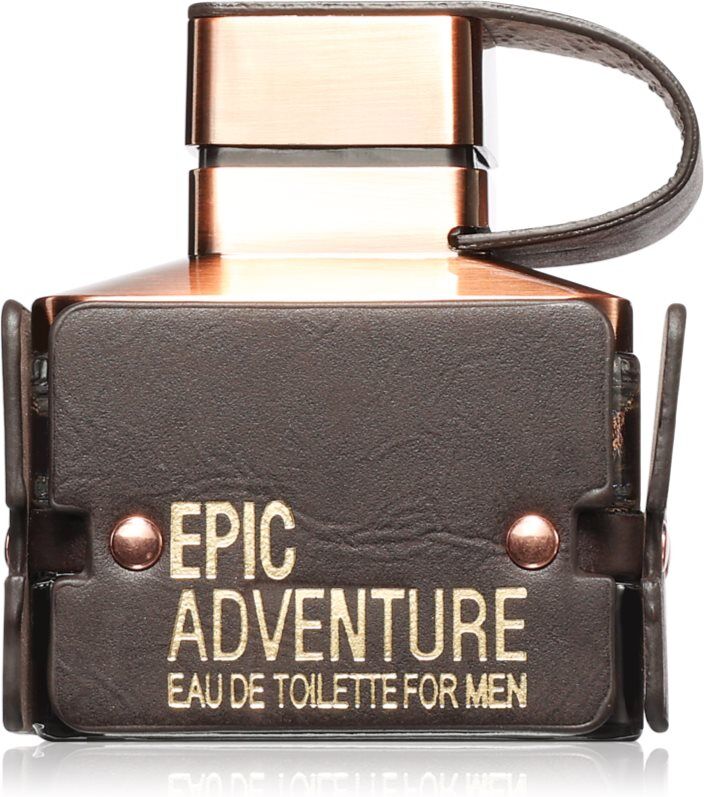
Emper Epic Adventure Eau de Toilette pour homme 100 mlEmper Epic Adventure, 100 ml, Eaux de Toilette pour homme, Chaque nouvelle journée est une nouvelle occasion de relever des défis. L’eau de toilette pour homme Emper Epic Adventure vous rafraîchira l'esprit et vous aidera à suivre votre instinct avec audace. Embarquez pour une aventure au quotidien. parfum hespéridé parfum épicé un choix idéal pour les aventuriers audacieux20,40 €*Shipping: 3,45 €Secure redirect to the provider
-
How can one sell an archaeological find?
Selling an archaeological find can be a complex process that requires careful consideration of legal and ethical implications. In many cases, it is illegal to sell archaeological artifacts without proper permits and documentation. Additionally, there are ethical concerns about the commercialization of cultural heritage. If someone wishes to sell an archaeological find, they should first consult with legal experts and cultural heritage authorities to ensure that they are following all necessary regulations and guidelines. It is also important to consider the potential impact on the historical and cultural significance of the artifact before deciding to sell it. **
-
What kind of object is this archaeological find?
This archaeological find is a ceramic vessel, specifically a jar. It is a type of pottery container that was used for storing and transporting liquids or food in ancient times. The shape and design of the jar may provide clues about its specific function and cultural significance within the society that created it. **
-
How can I find an archaeological internship abroad?
To find an archaeological internship abroad, you can start by researching universities, museums, and archaeological organizations in the country you are interested in. Look for internship opportunities on their websites or contact them directly to inquire about any available positions. You can also reach out to academic advisors, professors, or professionals in the field for recommendations or connections to international internship programs. Additionally, consider joining online platforms or forums dedicated to archaeology where internship opportunities are often shared. **
-
Why are archaeological artifacts almost always found underground?
Archaeological artifacts are almost always found underground because over time, natural processes such as erosion, sedimentation, and soil deposition can bury them. Additionally, human activities such as construction, agriculture, and urban development can also lead to artifacts being buried. As a result, artifacts become buried and preserved in layers of soil and sediment, making them accessible to archaeologists through excavation. This burial process helps protect artifacts from damage and decay, preserving them for future study and analysis. **
* All prices are inclusive of VAT and, if applicable, plus shipping costs. The offer information is based on the details provided by the respective shop and is updated through automated processes. Real-time updates do not occur, so deviations can occur in individual cases. ** Note: Parts of this content were created by AI.