Buy ericvancamp.be ?
We are moving the project
ericvancamp.be .
Are you interested in purchasing the domain
ericvancamp.be ?
domain@kv-gmbh.de · 0541-91531010
Buy ericvancamp.be ?
Are photons electrons?
No, photons are not electrons. Photons are elementary particles that make up light and electromagnetic radiation, while electrons are negatively charged subatomic particles that are part of atoms. Photons have no mass and travel at the speed of light, while electrons have mass and are bound to the nucleus of an atom. **
How are photons created?
Photons are created through a process called electromagnetic radiation. This occurs when an atom absorbs energy, causing its electrons to move to a higher energy level. When the electrons return to their original energy level, they release the absorbed energy in the form of photons. This process can happen in various ways, such as through thermal radiation, chemical reactions, or nuclear reactions. **


Similar search terms for Photons
Top-Angebote
Products related to Photons:
-
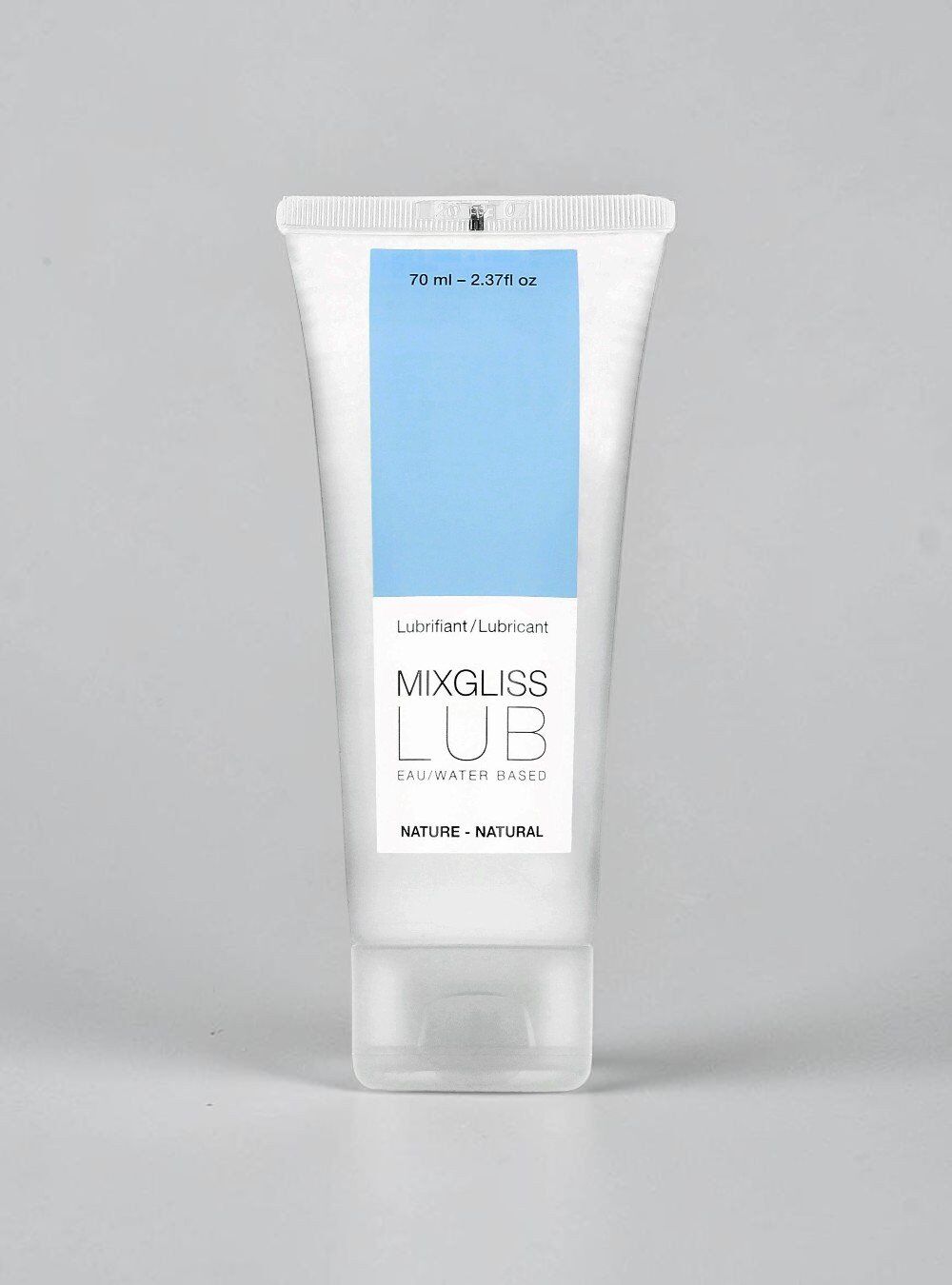
Mixgliss Lub Nature 70MLUne pression sur le flacon de Lub Nature 70ML et la texture s’étire doucement entre les doigts. Simple, clair, évident. Ce contact fluide met le corps à l’aise et invite à la détente. Rien d’artificiel, juste la sensation de glisser naturellement.Une texture légère et sincère 🌿Le Lub Nature 70ML de8,90 €*Shipping: 3,90 €Secure redirect to the provider
-
Bo Jungle Locomotive's Adventure jouet musical 12m+ 1 pcsBo Jungle Locomotive's Adventure, 1 pcs, Petits jouets interactifs pour enfant, Les jouets constituent le moyen idéal pour faire participer les plus petits. En outre, un jouet Bo Jungle Locomotive's Adventure ne fera pas que divertir votre enfant, il contribuera également au développement de ses sens ainsi que d’autres aptitudes. Le produit : les différentes textures des matériaux stimulent le toucher de l'enfant les couleurs stimulent le développement des sens de l’enfant contient des éléments sifflants développe la capacité du bébé à focaliser son attention léger et pratique, parfait pour partir en voyage18,52 €*Shipping: 3,45 €Secure redirect to the provider
-
Jeep Adventure baume après-rasage pour homme 100 mlJeep Adventure, 100 ml, Produits après-rasage pour homme, Le produit : réduit les rougeurs et apaise la peau Mode d’emploi : Appliquez sur le visage et le cou fraîchement rasés. Laissez le produit absorber.8,40 €*Shipping: 3,45 €Secure redirect to the provider
-
Al Haramain Adventure extrait de parfum mixte 100 mlAl Haramain Adventure, 100 ml, Parfums mixte, Préparez-vous aux vagues de questions. Le parfum mixte Al Haramain Adventure ne manquera pas de susciter la curiosité de votre entourage. Le caractère sophistiqué de sa composition parfumée ne laissera personne indifférent. parfum fruité parfum floral parfum boisé parfum original pour les personnalités uniques un parfum unique qui se prête aux occasions spéciales parfum mixte50,00 €*Shipping: 3,45 €Secure redirect to the provider



-
What happens to photons?
Photons are elementary particles that make up light. They do not have mass and travel at the speed of light. When photons interact with matter, they can be absorbed, reflected, or transmitted. Absorption of photons can result in the excitation of electrons, leading to various physical and chemical processes. **
-
How can one convert the energy of different photons into monochromatic photons?
One way to convert the energy of different photons into monochromatic photons is through a process called frequency doubling or second harmonic generation. This involves passing the photons through a nonlinear crystal, which causes the photons to combine and create new photons with double the frequency and half the wavelength of the original photons. This results in monochromatic photons with a single, specific wavelength. Another method is through the use of filters or monochromators, which can selectively filter out photons of specific wavelengths, allowing only monochromatic photons to pass through. **
-
How can photons have mass?
Photons are massless particles according to the Standard Model of particle physics. They travel at the speed of light and have zero rest mass. However, in certain theoretical models beyond the Standard Model, such as some versions of string theory, it is possible for photons to acquire a small amount of mass through interactions with other particles or fields. This mass is typically very small and has not been experimentally observed. **
-
How far do photons travel?
Photons, as particles of light, travel at the speed of light in a vacuum, which is approximately 299,792 kilometers per second. This means that photons can travel vast distances in a very short amount of time. However, their travel distance can be affected by factors such as absorption, reflection, and scattering, which can cause them to be absorbed or redirected before reaching their destination. **


What distinguishes photons and protons?
Photons are elementary particles that carry electromagnetic radiation, such as light, while protons are subatomic particles found in the nucleus of an atom. Photons have no mass and travel at the speed of light, while protons have mass and are composed of quarks. Additionally, photons do not have an electric charge, while protons have a positive electric charge. **
Why can photons penetrate matter?
Photons can penetrate matter because they do not have an electric charge and are not affected by electromagnetic forces within the material. Additionally, photons do not have mass, allowing them to travel at the speed of light and pass through matter without being absorbed or deflected. This property of photons enables them to interact with atoms and molecules in the material, leading to phenomena such as absorption, reflection, and transmission. **
Top-Angebote
Products related to Photons:
-
Mixgliss Lub Nature 70MLUne pression sur le flacon de Lub Nature 70ML et la texture s’étire doucement entre les doigts. Simple, clair, évident. Ce contact fluide met le corps à l’aise et invite à la détente. Rien d’artificiel, juste la sensation de glisser naturellement.Une texture légère et sincère 🌿Le Lub Nature 70ML de8,90 €*Shipping: 3,90 €Secure redirect to the provider
-
Bo Jungle Locomotive's Adventure jouet musical 12m+ 1 pcsBo Jungle Locomotive's Adventure, 1 pcs, Petits jouets interactifs pour enfant, Les jouets constituent le moyen idéal pour faire participer les plus petits. En outre, un jouet Bo Jungle Locomotive's Adventure ne fera pas que divertir votre enfant, il contribuera également au développement de ses sens ainsi que d’autres aptitudes. Le produit : les différentes textures des matériaux stimulent le toucher de l'enfant les couleurs stimulent le développement des sens de l’enfant contient des éléments sifflants développe la capacité du bébé à focaliser son attention léger et pratique, parfait pour partir en voyage18,52 €*Shipping: 3,45 €Secure redirect to the provider
-
Are photons electrons?
No, photons are not electrons. Photons are elementary particles that make up light and electromagnetic radiation, while electrons are negatively charged subatomic particles that are part of atoms. Photons have no mass and travel at the speed of light, while electrons have mass and are bound to the nucleus of an atom. **
-
How are photons created?
Photons are created through a process called electromagnetic radiation. This occurs when an atom absorbs energy, causing its electrons to move to a higher energy level. When the electrons return to their original energy level, they release the absorbed energy in the form of photons. This process can happen in various ways, such as through thermal radiation, chemical reactions, or nuclear reactions. **
-
What happens to photons?
Photons are elementary particles that make up light. They do not have mass and travel at the speed of light. When photons interact with matter, they can be absorbed, reflected, or transmitted. Absorption of photons can result in the excitation of electrons, leading to various physical and chemical processes. **
-
How can one convert the energy of different photons into monochromatic photons?
One way to convert the energy of different photons into monochromatic photons is through a process called frequency doubling or second harmonic generation. This involves passing the photons through a nonlinear crystal, which causes the photons to combine and create new photons with double the frequency and half the wavelength of the original photons. This results in monochromatic photons with a single, specific wavelength. Another method is through the use of filters or monochromators, which can selectively filter out photons of specific wavelengths, allowing only monochromatic photons to pass through. **
Similar search terms for Photons
-
Jeep Adventure baume après-rasage pour homme 100 mlJeep Adventure, 100 ml, Produits après-rasage pour homme, Le produit : réduit les rougeurs et apaise la peau Mode d’emploi : Appliquez sur le visage et le cou fraîchement rasés. Laissez le produit absorber.8,40 €*Shipping: 3,45 €Secure redirect to the provider
-
Al Haramain Adventure extrait de parfum mixte 100 mlAl Haramain Adventure, 100 ml, Parfums mixte, Préparez-vous aux vagues de questions. Le parfum mixte Al Haramain Adventure ne manquera pas de susciter la curiosité de votre entourage. Le caractère sophistiqué de sa composition parfumée ne laissera personne indifférent. parfum fruité parfum floral parfum boisé parfum original pour les personnalités uniques un parfum unique qui se prête aux occasions spéciales parfum mixte50,00 €*Shipping: 3,45 €Secure redirect to the provider
-
How can photons have mass?
Photons are massless particles according to the Standard Model of particle physics. They travel at the speed of light and have zero rest mass. However, in certain theoretical models beyond the Standard Model, such as some versions of string theory, it is possible for photons to acquire a small amount of mass through interactions with other particles or fields. This mass is typically very small and has not been experimentally observed. **
-
How far do photons travel?
Photons, as particles of light, travel at the speed of light in a vacuum, which is approximately 299,792 kilometers per second. This means that photons can travel vast distances in a very short amount of time. However, their travel distance can be affected by factors such as absorption, reflection, and scattering, which can cause them to be absorbed or redirected before reaching their destination. **
-
What distinguishes photons and protons?
Photons are elementary particles that carry electromagnetic radiation, such as light, while protons are subatomic particles found in the nucleus of an atom. Photons have no mass and travel at the speed of light, while protons have mass and are composed of quarks. Additionally, photons do not have an electric charge, while protons have a positive electric charge. **
-
Why can photons penetrate matter?
Photons can penetrate matter because they do not have an electric charge and are not affected by electromagnetic forces within the material. Additionally, photons do not have mass, allowing them to travel at the speed of light and pass through matter without being absorbed or deflected. This property of photons enables them to interact with atoms and molecules in the material, leading to phenomena such as absorption, reflection, and transmission. **
* All prices are inclusive of VAT and, if applicable, plus shipping costs. The offer information is based on the details provided by the respective shop and is updated through automated processes. Real-time updates do not occur, so deviations can occur in individual cases. ** Note: Parts of this content were created by AI.